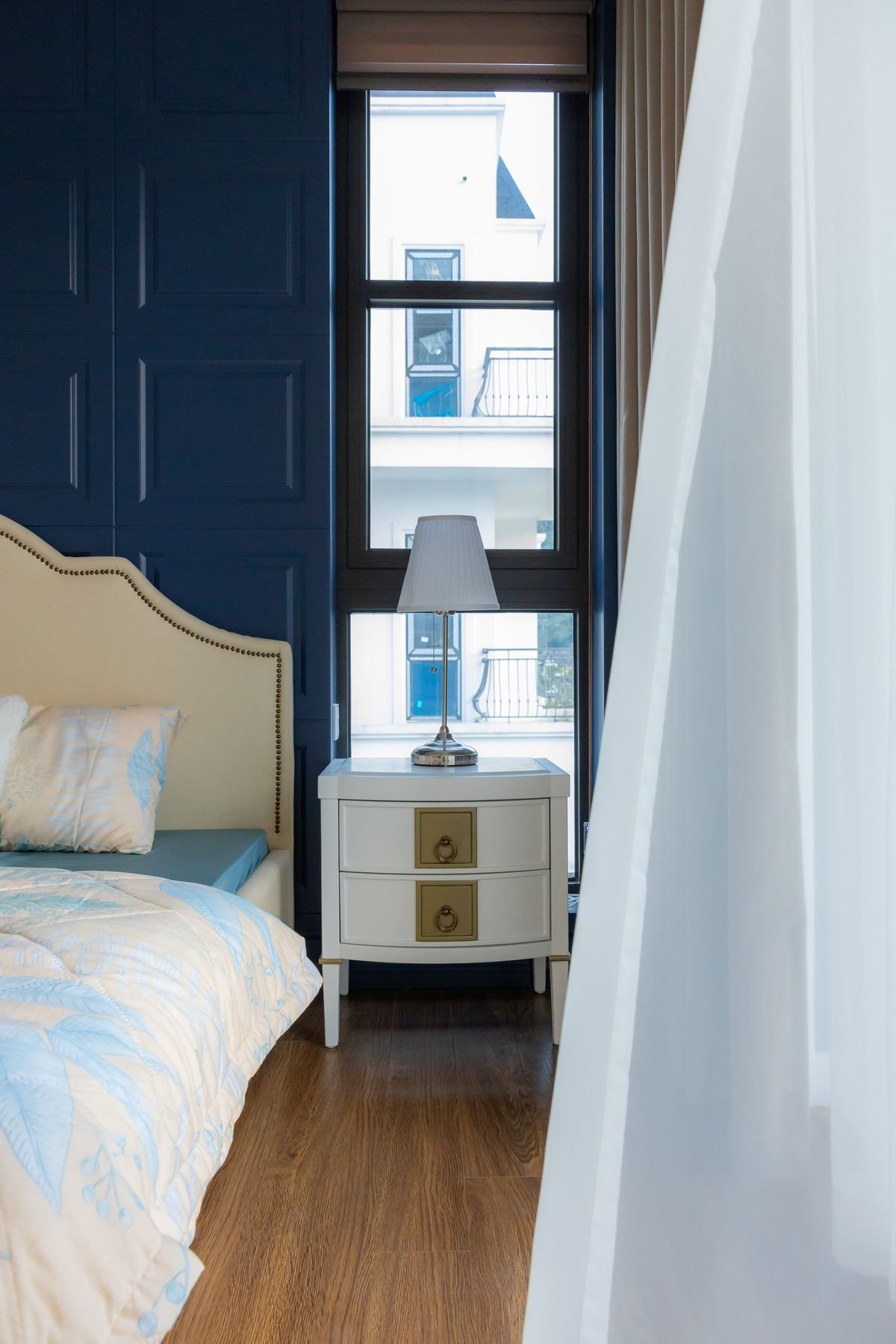
The mattress industry has a long tradition of pricing opacity in physical retail — and online brands have built their entire model around exploiting that gap. But the comparison isn’t as simple as “online is always cheaper.” There are specific cases where in-store still wins, and specific buyer profiles where the showroom experience has real value. This guide breaks it down honestly.
For the full guide to buying a mattress online including sizing, firmness, and delivery, see our complete 2026 mattress buying guide.
Nectar Memory Foam Mattress — 365-night trial, lifetime warranty, ships free
~$400 queen at regular price — check for clearance pricing below
The Real Price Difference
A mattress sold in a physical showroom carries the full cost stack of retail: real estate, staff, inventory financing, display units, and a retailer margin typically running 40–60% on top of the manufacturer’s wholesale price. Online brands eliminate most of this. Direct-to-consumer brands sell from their own site; third-party Amazon sellers compete on thin margins. The result is consistent: equivalent mattresses cost 25–45% less online.
One concrete illustration: Saatva’s Luxury Firm, which sells on Saatva’s own site starting at $999 for a queen, would cost $1,600–2,000 for a comparable innerspring hybrid in a showroom. Nectar’s queen at $399 on Amazon would be priced at $700–900 at Mattress Firm or Sleep Number. These aren’t edge cases — they’re the consistent pattern across the market.
The online price advantage isn’t just list price, either. Online brands run clearance events aggressively (Memorial Day, Black Friday, Prime Day) in ways that showrooms structurally can’t match — a store’s floor stock is limited, and heavy discounting on current models creates floor model arbitrage problems. Online brands discount freely because they’re selling from centralized warehouses. See our current clearance deals page for live pricing.
Trial Periods — Where Online Wins
This is the clearest structural advantage of buying online: the sleep trial. Buy a mattress in a store and you test it for 3 minutes in your clothes, under showroom lighting, while a salesperson watches. That’s not a meaningful test of how a mattress will perform for your body over months of nightly use.
Online brands offer 100–365 night sleep trials — in your bedroom, in your actual sleep conditions, with your pillow and bedding. If it doesn’t work, you initiate a return online and the brand arranges free pickup. You get a full refund. No negotiation, no restocking fee (at most brands — Saatva charges $99), no argument.
Why Showroom “Testing” Is Misleading
A 3-minute lie-down in a showroom is nearly useless as a mattress evaluation tool for three reasons. First, you’re not in your actual sleep environment — your body temperature, weight distribution, and sleep positions are all slightly different without your bedding, pillow, and pajamas. Second, showroom mattresses are broken in from hundreds of customer sit-and-lies, so the feel doesn’t match a new mattress. Third, your body takes 2–4 weeks to adapt to a new sleep surface — what feels wrong in week one often feels right in week four.
The sleep trial replicates what a showroom can’t: actual, extended use under real conditions. For a full breakdown of how sleep trials work, what the break-in requirements are, and which brands have the most favorable terms, see our mattress sleep trials guide.
When In-Store Still Makes Sense
Online buying isn’t universally superior. There are three cases where in-store has genuine advantages:
1. You need same-day or next-day delivery. Online mattresses typically arrive in 3–7 business days (Amazon) or longer (white-glove brands). If you’re sleeping on the floor tonight, a local mattress store solves that in hours. Some big-box retailers (Costco, Sam’s Club) offer same-day pickup on select models.
2. You’re buying a luxury innerspring and want white-glove setup included in a local competitor price match. A few premium local retailers will price-match online brands and throw in free installation — a combination that’s hard to beat if you can find it.
3. You or your partner has an unusually specific ergonomic requirement. Adjustable base compatibility, specific medical requirements, or very unusual body proportions can make hands-on testing meaningful in ways that outweigh the price disadvantage.
Outside these three scenarios, online almost always wins on price, selection, return policy, and convenience.
Comparison Table: Online vs. In-Store
| Factor | Online | In-Store |
|---|---|---|
| Price | 25–45% lower typically | Higher (retail overhead) |
| Trial period | 100–365 nights in your home | 3–5 minutes in showroom (usually no return) |
| Return policy | Free returns (most brands) | Final sale common; exchanges only |
| Delivery | 3–14 days; white-glove available | Same-day to 1 week |
| Selection | Unlimited; all brands/types | Limited to what’s in stock |
| Clearance deals | Frequent and deep | Rare; limited to floor models |
| Price transparency | Fixed, public, comparable | Opaque; varies by negotiation |
Verdict — Best of Both Worlds
The optimal approach for most buyers: research and decide online, then — if you want tactile confirmation — visit a showroom to feel a similar firmness level on a display mattress. Don’t buy there. Use the feel as a reference point for your online order, then use the sleep trial to confirm over the first 30–60 nights.
For clearance pricing specifically, in-store clearance sections (Mattress Firm’s clearance centers, for example) occasionally surface deals on discontinued models that match online pricing. But the convenience, return protection, and generally lower baseline prices of online shopping make it the default smart choice for most buyers in 2026. Learn more about the full online buying process in our complete mattress buying guide.
Frequently Asked Questions
Is it safe to buy a mattress online without seeing it first?
Yes. The sleep trial exists precisely for this purpose — you’re testing the mattress for 100+ nights in your real sleep environment, which is far more reliable than 3 minutes in a showroom.
Are online mattresses lower quality than in-store mattresses?
No — in many cases, the opposite is true at equivalent price points. Online brands eliminate retail overhead, allowing more budget to go into the mattress itself. The Casper Original, Tuft & Needle, and Nectar all outperform showroom mattresses at comparable prices in independent testing.
Can I price-match an online mattress at a physical store?
Occasionally, but rarely meaningfully. Most stores won’t match direct-to-consumer brands (Layla, Casper) because they don’t carry them. Mattress Firm may match some Amazon prices on shared brands, but clearance pricing is usually excluded. Online is almost always the better path for price.
Shop the Best Online Mattress Deals
Affiliate disclosure: This page contains affiliate links. We may earn a commission at no extra cost to you.
How to Use Online Resources to Research Before Buying
The online mattress ecosystem includes several independent review sources that are worth consulting before committing. Wirecutter’s mattress reviews are independent of affiliate revenue on individual product recommendations. GoodBed and Sleepopolis publish ILD measurement data, not just brand-provided firmness descriptions. Reddit’s r/Mattress community offers unfiltered buyer experiences — search your specific mattress model name before buying to find real owners discussing the same product you’re considering.
Price aggregator sites like Honey, Rakuten, and CamelCamelCamel track historical prices and apply coupons automatically. For Amazon purchases specifically, CamelCamelCamel shows the full price history of any listing — set a target price alert and it notifies you when the price drops to your threshold. This turns clearance hunting from manual monitoring into passive alerts.
Financing: What to Watch For
Most major online brands offer financing through third-party services (Affirm, Klarna, Bread). Zero-percent financing for 12–24 months is common during sale events — this is genuinely valuable if you pay off the balance in full before the promotional period ends. The danger: deferred-interest financing means if any balance remains when the promotional period expires, the full retroactive interest (often 26–29% APR) is added. Paying 90% on time and missing the final payment can cost as much as the original financing would have saved.
The safest approach to mattress financing: treat it as a 12-month 0% loan and set up automatic payments from month one. Calculate the total monthly payment needed to clear the balance in month 11 (one month before the promotional period ends) and autopay that amount. This removes the default risk entirely while still using the interest-free float.
When to Wait vs. When to Buy Now
If you’re not sleeping on the floor, waiting for the next sale event is almost always the right move for online mattress purchases. The major sale windows — Memorial Day (late May), Prime Day (July), Labor Day (September), Black Friday (November) — each produce 20–40% discounts on most major brands. If you’re outside these windows, you’re likely paying full price for a mattress that will be significantly discounted within 60–90 days.
Exception: if your current mattress is causing you pain, lost sleep, or health problems, waiting 60 days for a sale is a false economy. Chronic poor sleep has real costs — productivity, health, mood. Buy now, use the clearance section of this site to find the best current pricing, and use the sleep trial to ensure you got the right mattress. The trial eliminates the risk of getting it wrong.
Building Your Online Mattress Research Process
Most buyers who end up returning a mattress made the same mistake: they relied on a single source — usually a brand’s own website — to make the decision. A better research process takes about 30 minutes and uses at least three independent sources.
Start with your use case: sleep position, body weight, any pain points, and whether you sleep with a partner. Then use a neutral review site (Wirecutter, GoodBed, or Sleepopolis) to identify 2–3 mattresses that match your profile. Check their Amazon listings for verified buyer reviews, filtering for reviews from people who describe their weight and sleep position. Finally, search Reddit’s r/Mattress for candid owner experiences on your specific shortlist.
This process identifies the intersection of editorial credibility, real buyer confirmation, and candid community feedback — the three signals most resistant to marketing manipulation.
How Clearance Pricing Changes the Online Calculation
Clearance pricing shifts the online vs. in-store calculation even further toward online. Physical stores can only discount floor models and older inventory — a finite stock with limited size availability. Online clearance is drawn from warehouse overstock, discontinued models, and end-of-season inventory across the brand’s entire SKU range in all sizes.
During major sale events, mid-range mattresses ($400–800) that would cost $900–1,400 in a showroom are routinely available at clearance prices online. The Nectar Original, Casper Element, and Tuft & Needle Original all hit their annual lowest prices through online clearance events — prices that in-store retailers either can’t match or won’t match because the margin disappears. For the price-conscious buyer, online clearance isn’t just better — it’s a different league. See our current clearance deals for live pricing.
The Hidden Cost of In-Store: Time and Pressure
There’s a cost to in-store mattress shopping that rarely shows up in price comparisons: time. A typical in-store mattress purchase takes 2–4 hours across one or two visits. You navigate to the store, spend 45–90 minutes with a salesperson, feel pressured to decide, and often return a second time to negotiate or compare. Online shopping takes 30–60 minutes of research and 3 minutes to check out.
The pressure dynamic in showrooms is real and well-documented. Commission-based sales staff are trained to create urgency, anchor to high prices before discounting, and make leaving without a purchase feel like a missed opportunity. The experience is designed to close, not to inform. Online shopping removes that entirely — you’re comparing specifications at your own pace, with no one making you feel that a sale ends at midnight.
Related Guides
- Saatva Adjustable Base Bundle Review
- Mattress in a Box vs Traditional Mattress
- Online vs Costco vs Mattress Firm — Where to Buy
Top Clearance Picks

Zinus 12 Inch Green Tea Cooling Memory Foam Mattress [New Version], Queen, Fiberglass Free, Medium Firmness, Cooling Gel Foam, Certified Safe Foams & Fabric, Mattress in A Box
- COOLING COMFORT PLUS GREEN TEA FRESHNESS – Cooling Gel Memory Foam draws heat away from your body while green tea extract and purified charcoal maintain long-lasting freshness for a cooler, cleaner-feeling sleep environment.
- PRESSURE-RELIEVING COMFORT THAT ADAPTS TO YOU – Memory foam gently contours to your body’s shape to cushion shoulders, hips, and joints while providing personalized comfort and support throughout the night.
- COOLER SLEEP, LESS TOSSING AND TURNING – Cooling Gel Memory Foam creates a more comfortable sleep surface while reducing motion transfer, so couples can rest more comfortably and wake feeling refreshed.
List Price :
Offer: 299.99 $
Go to Amazon